Instagram Marketing for Cafes: Your Feed is the First Visit
For many people, a cafe’s Instagram is the first visit. Before they ever walk through the door, they scroll the feed to get a sense of the atmosphere, the drinks, and the crowd. That’s why Instagram marketing for cafes has become one of the most important parts of coffee shop social media strategy.
Unfortunately, most coffee shop Instagram accounts look similar: latte art, an interior shot, a seasonal drink announcement. That's not a knock on the photography or aesthetic. The problem is the repetitive approach. In 2026, simply posting product images functions more like displaying a catalog than building a brand.
For cafes, Instagram is not a highlight reel. It is your digital front door.
According to data published by Toast, 62% of diners check a restaurant or cafe’s social media before deciding to visit. Not after. Before. That means your Instagram profile is shaping expectations before someone tastes your coffee or steps inside your shop.
The relevant question is not “What should we post this week?” It’s: Does our Instagram accurately reflect the cafe experience we offer?
Why Instagram Is the New Front Door for Cafes
Will Guidara spent years running Eleven Madison Park and wrote Unreasonable Hospitality to make the argument: how you make people feel is the business. The coffee, the space, the aesthetic are just the setup.
“For many customers, a cafe’s Instagram feed is the first visit. Before stepping inside, people scroll through the photos to decide if your cafe is worth the visit.”
In a physical cafe, good hospitality gives people enough information to feel comfortable: where to order, where to sit, what to expect. This same instinct should drive your Instagram. What does a first-time visitor need to know, feel, or see before they've ever set foot inside? When a first-time customer walks through the door, they should feel confident and excited about the experience unfolding before them.
Case Study: Madcap Coffee’s Instagram Strategy
Between 2021 and 2024, I managed social media for Madcap Coffee. The core strategy was simple: extend in-store hospitality into digital spaces.
The mix across Madcap's feed is worth looking at closely because it was curated very deliberately to make the hospitality come across effortlessly.
There are product shots, yes. Seasonal releases like Lake Effect (a blend beloved by the long-time roaster’s committed fan base), single-origin bags shot cleanly against graphic backgrounds. But those posts sit alongside content that does something different: a farm visit showing a coffee producer at origin, aerial shots of drying beds, a photo of a roaster at the Probat.
These posts aren’t decorative. They show where the coffee comes from and who is responsible for getting it into your cup. That focus on producers and sourcing is central to Madcap’s identity and reflects its early role in advancing third-wave coffee and emphasizing origin relationships. This content clarifies the brand’s values and reinforces what differentiates Madcap from other specialty coffee roasters.
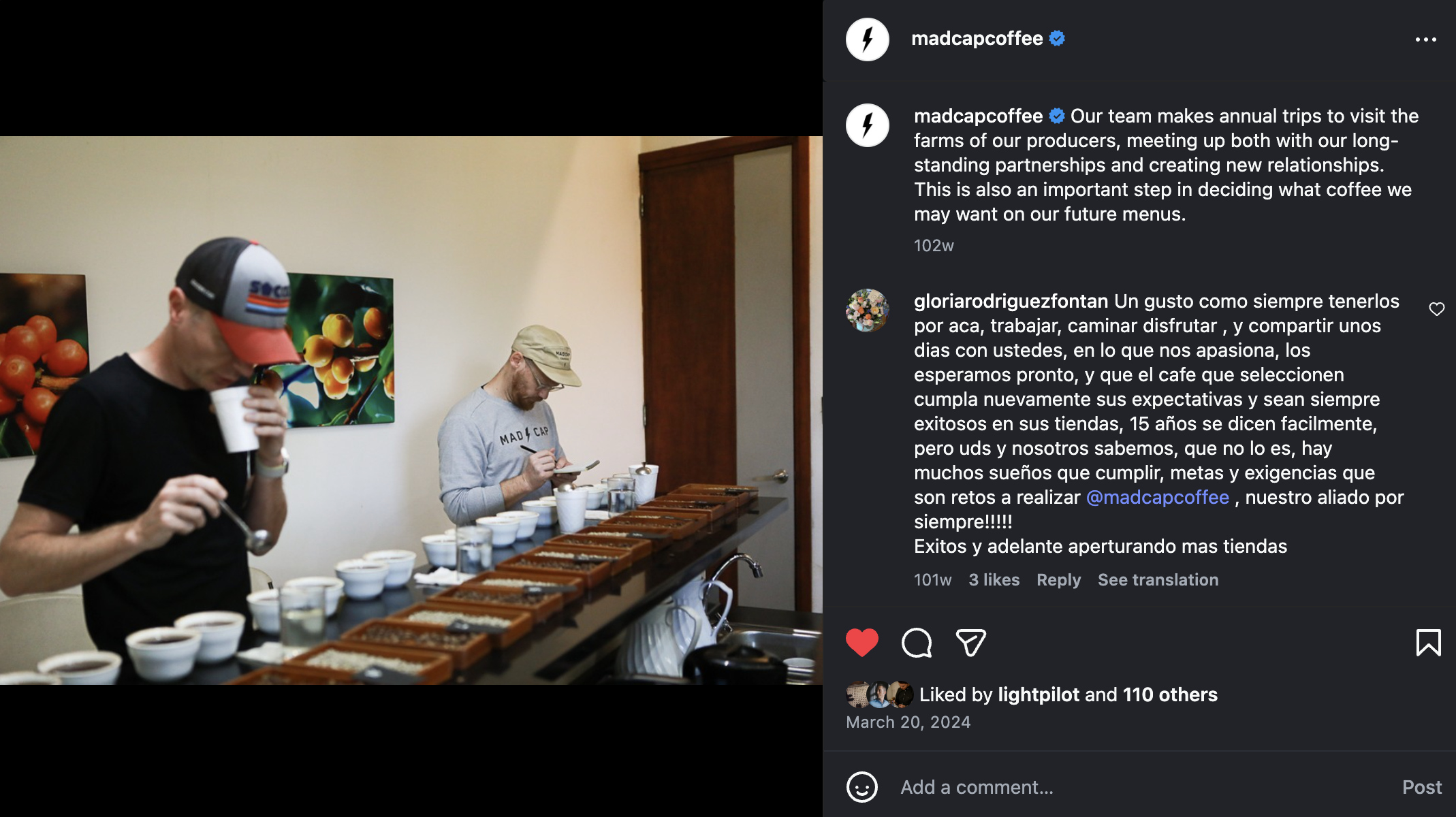
Then there’s the people content. Team posts put real faces to the brand and carry some of the in-cafe energy into the feed. That matters even more now, as AI slop spreads across the internet and audiences get better at spotting when no actual human seems to be involved.
The seasonal and specialty drinks are there too. The pink latte, the non-coffee tea-based concoction, the nitro cold brew. They’re shot well (shout out to their filming team, Carbon Stories), but they aren’t treated like isolated product ads. They show up as the result of a particular place and a particular team making them. The focus is less on pushing a drink and more on showing the people and environment that produce it.
That's the difference between a feed and a first impression. Madcap's Instagram tells you: here is who roasts the coffee, here is where it comes from, here’s the experience you will get if you stop by one of our cafes. By the time someone walks through the door, they already know what to expect — and that’s the experience they get.
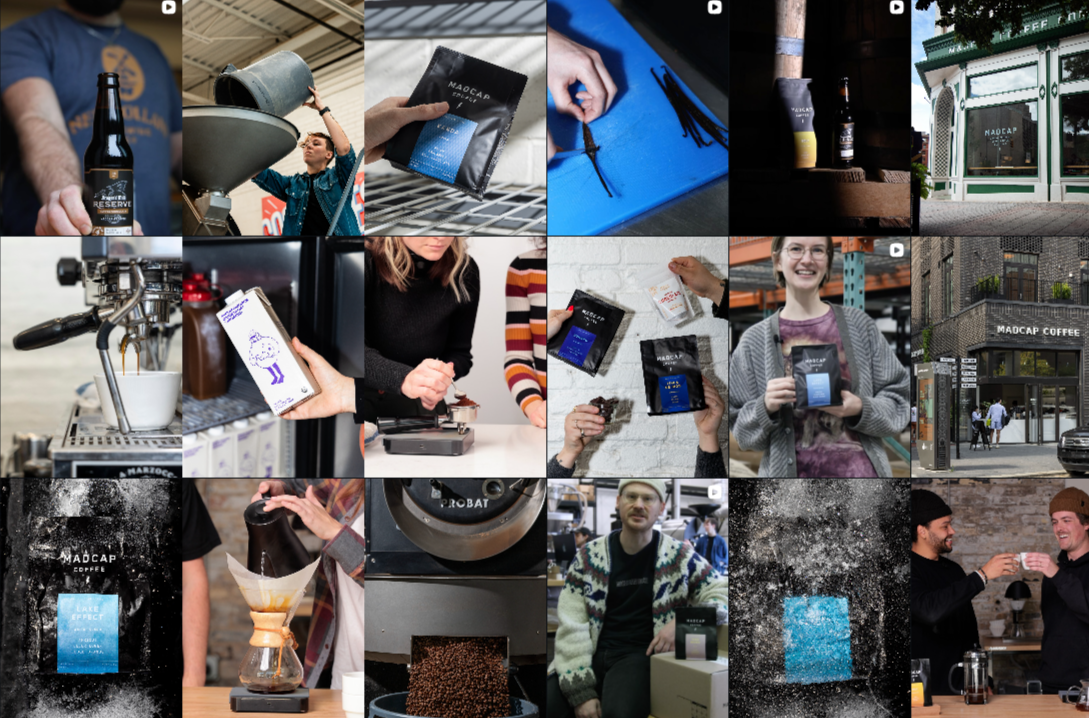
Madcap Coffee’s Instagram feed
How the Instagram Algorithm Works in 2026
Here's where most accounts drift off course. Posting a drink photo with a caption like "Start your morning right" is broadcasting. It's content aimed at no one in particular, carrying no real information, inviting no response. Remember, you want to be carrying the hospitality of the in-person visit to your online community. Empty platitudes won’t cut it in 2026.
Most cafe accounts are set up to broadcast. Post the drink, write a caption, move on. The problem is that broadcasting doesn't generate the signals Instagram uses to decide who sees your content. Shares (the IG gold standard for engagement), saves, DMs, comments: that's what the algorithm is rewarding. Follower count is largely a vanity metric at this point and likes are going that way, too. What actually moves the needle is whether people are responding, sharing, and actually going into your shop to spend money.
The content that earns that engagement shares a common quality: it's useful, transparent, or genuinely interesting. Drink build videos that walk through ingredients step by step. Behind-the-scenes sourcing content that shows where the coffee actually comes from. Staff-forward posts that put a name and face to the people at the bar. These things work not because they're clever but because they give people something to do with the information: try it at home, share it with a friend, decide they want to visit that specific location (and hopefully share their own photo of their visit).
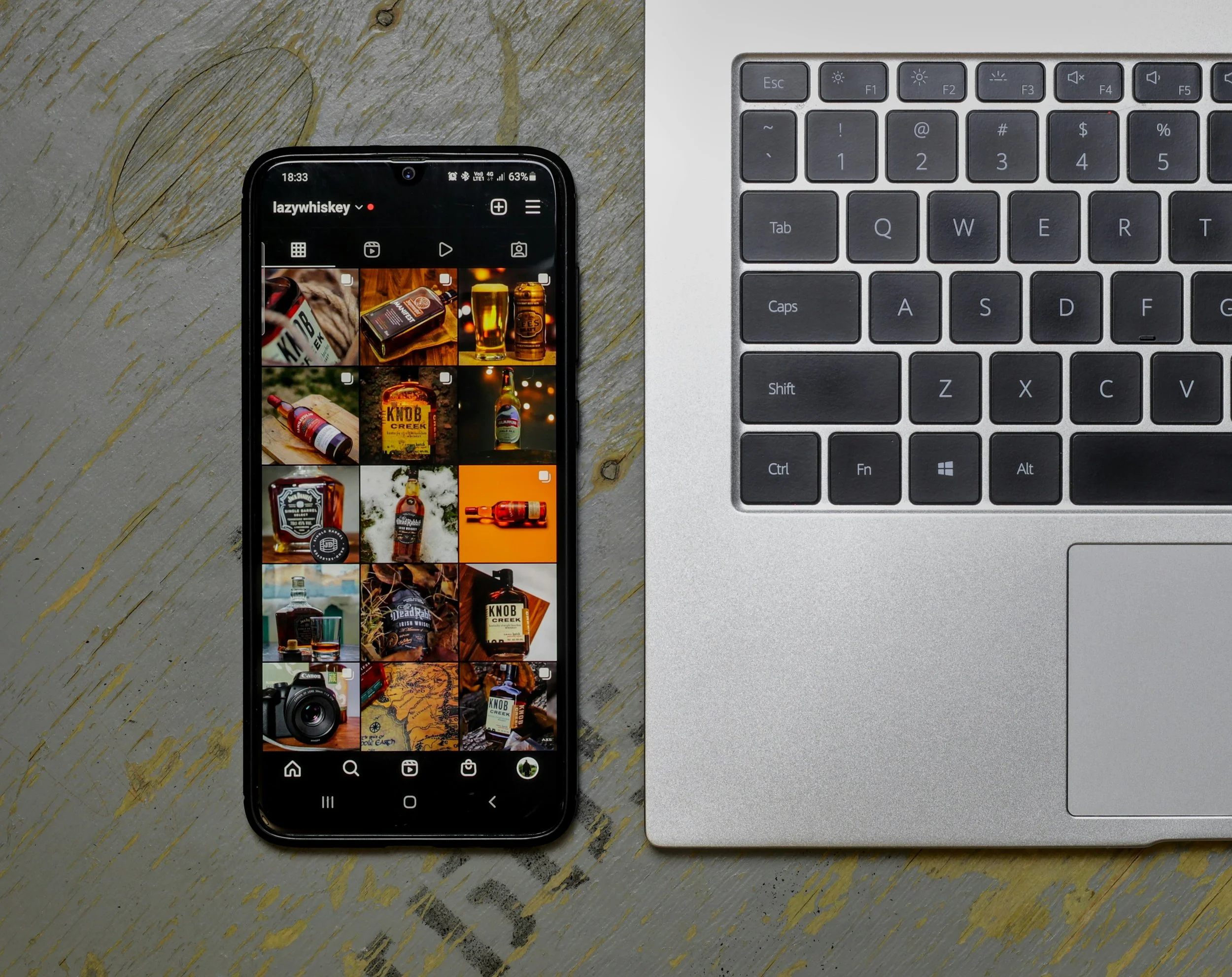
Reels (short-form video) and carousel posts consistently drive more reach and engagement than a single static image. That's not a reason to chase trends. It's a reason to create things worth looking at.
The Authenticity Gap in Cafe Marketing
“Authenticity” has become a marketing cliché.
Consumers, especially younger ones, are experts at recognizing the difference. They grew up using social media, after all. Couplet Coffee, founded by Gefen Skolnick, became a useful case study in this. Their social media worked because there was clearly a real person posting, not a committee-approved strategy. The less it looked like marketing, the more effective it was.
Madcap’s approach looks very different on the surface, but the underlying principle is the same, especially when you consider that Madcap was at the forefront of the industry’s shift from second to third wave when the business was founded in 2008.
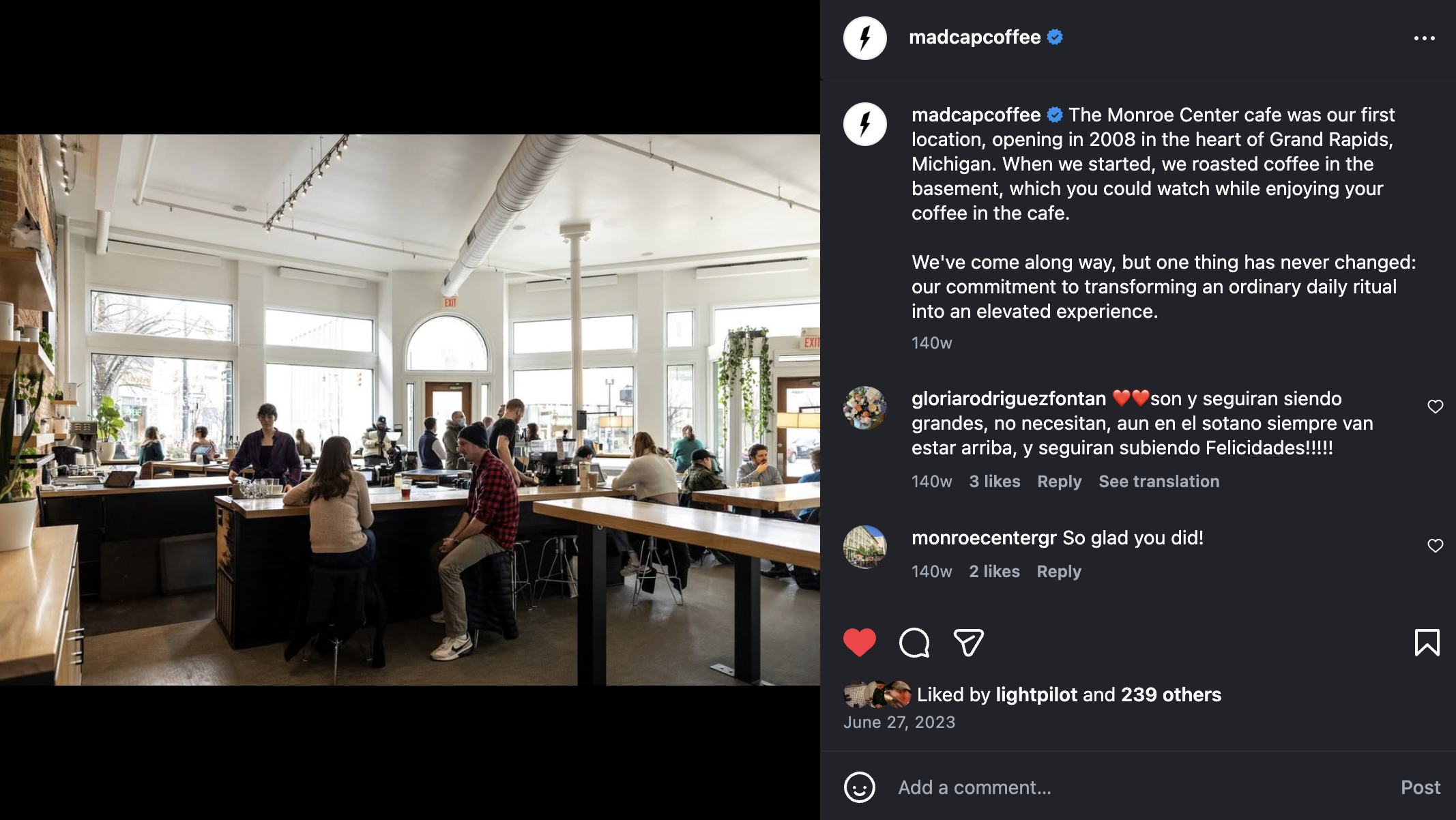
The aesthetic is consistent and polished, but the content doesn’t feel manufactured because it mirrors the experience of walking into a Madcap cafe. A photo of a producer standing in front of coffee plants in El Salvador show a real relationship the Madcap team has maintained for nearly 20 years. The feed has a clear point of view, and it matches what you encounter in the cafes themselves.
This alignment matters. Every decision, from the most significant to the seemingly mundane, is an opportunity to either deliver on your business’s promise or undercut it. An Instagram post is a decision. If the feed projects warmth, craft, and community, and the in-person experience doesn't match, you haven't earned a loyal customer. You've created a disappointed one who likely won’t come back.
The Bait-and-Switch Problem in Coffee Shop Branding
This version of getting it wrong is more common than most cafe owners would like to admit. A shop invests in professional photography, a carefully curated grid, and an aesthetic that projects calm and community. Someone checks the account, expects that experience, and walks into something that doesn't match: loud music, mostly to-go foot traffic, bright fluorescent lights.
That dichotomy is a trust problem, and it compounds. The first visit is the one that determines whether someone becomes a regular. If your Instagram account set expectations that aren’t reflected in your cafe, you haven't built a strong customer relationship. You've started it with a broken promise.
The practical implication: your Instagram should be an honest representation of your shop, not an aspirational one. Post what you can actually deliver on.
How Often Should a Cafe Post on Instagram?
A lot of shop owners I talk with think that posting more automatically produces better results. Sure, that may have been true five years ago when the playbook was simply “post more and stay visible.” That’s not how the algorithm works anymore, though.
What matters now is cadence and intention. An account posting three times a week with clear purpose will usually outperform one posting every day just to keep the calendar full. People can tell the difference between a post that had a reason to exist and one that went up because someone felt obligated to fill a slot on the content calendar. And the algorithm can tell too.
That said, there's also a real cost to going quiet. A cafe Instagram that hasn't been updated in weeks actively works against the business. I don’t know about you, but if I’m checking out a shop’s Instagram and nothing has been posted for a month or two, I assume it’s probably not in business anymore. And, if 62% of potential customers are checking social media before they visit, a dormant feed reads as a business that might not be worth the trip. It raises questions you don't want them to have.
Consistency means showing up regularly with content that reflects your actual values, your actual staff, your actual coffee. Not every post needs to be a production. The variety is what makes the feed feel alive. The consistency is what makes it trustworthy.
The Strategic Shift: From Posting to Digital Hospitality
Instagram for cafés is not primarily an advertising channel. It is an extension of your bar. The question isn't whether you're posting enough, it's whether the experience you're offering online matches what someone will actually encounter when they walk in.
If you are unsure whether your Instagram accurately reflects your cafe’s experience, it is worth evaluating. A structured audit of your cafe Instagram strategy can identify gaps between brand promise and customer expectation.
If you want to assess how your feed performs as a first impression, we can review it systematically and outline practical next steps. Send us an email or schedule a 15-minute introductory call to discuss your company.
